Blog

Look magazine – August 2015

I briefly mentioned the Argentinian pattern magazine, Look, when I told you all about buying magazines in Argentina last month, but it’s time to take a deeper look into what’s inside!

I totally love sewing pattern magazines – you get so many fashion-forward styles for such a low price, and it’s fun to see what fashions are like in different parts of the world. So far I’ve bought pattern magazines from Germany (Burda!), The Netherlands (KnipMode and My Image), Belgium (La Maison Victor), France (Fait Main), Spain (Patrones), Italy (La Mia Boutique), Brazil (Manequim, Moda Moldes, and Molde & Cia), and now Argentina, how exciting! It doesn’t matter if I can’t speak the language the magazine is written in – as long as I can translate enough to pick the right size and fabric, and identify the pattern pieces, I can sew together most garments without instructions (though usually you can just look at another similar pattern’s English instructions and follow along with those instead). The Google Translate app can translate most text on-the-fly if you point your phone’s camera at the magazine text, too, which saves you from having to type in all the text yourself.

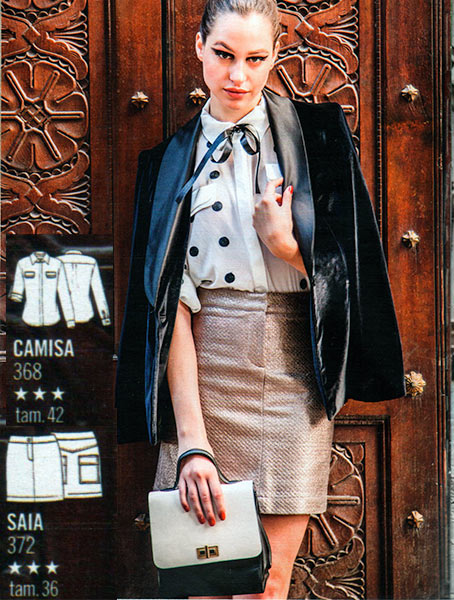
But back to Look! This was the current issue when we were in Argentina in August, along with a “mother and baby” issue from the previous month which I didn’t bother to buy (having several kids pattern magazines already and nieces and nephews into adult sizes now). This particular issue just captured my heart, as it features a huge amount of SS15 runway designs! Remember back in the 1990s and early 2000s when Burda used to do International Collections magazines knocking off all the runway looks? Well that’s precisely what this issue of Look is all about!
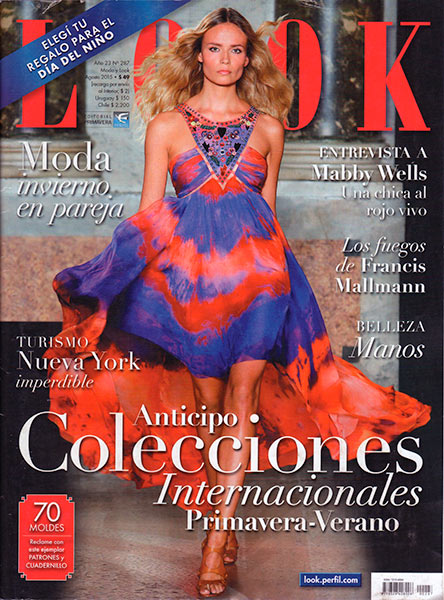
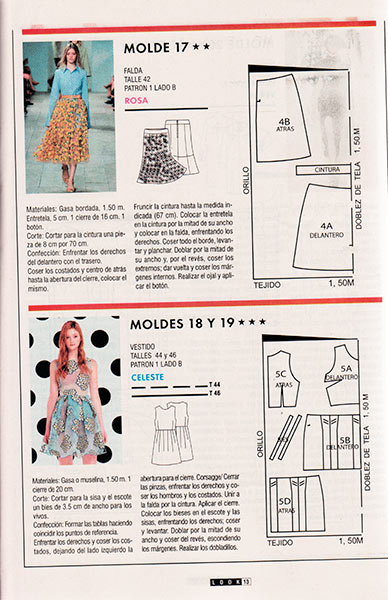
I’d say a good half of the patterns in this issue are straight off the runways. Look is a bit different from the other pattern magazines in that the instructions are in a separate booklet from the glossy magazine and the pattern sheets. This means you kinda have to have both open at the same time to see tech drawings next to the runway photo, but is a bit easier than flipping back and forth in the same magazine. If you buy Look on a newsstand, make sure you get all three pieces! Even though the instructions are in their own booklet, these are the briefest I have ever seen in any pattern magazine, so clearly they’re not intended for beginners…

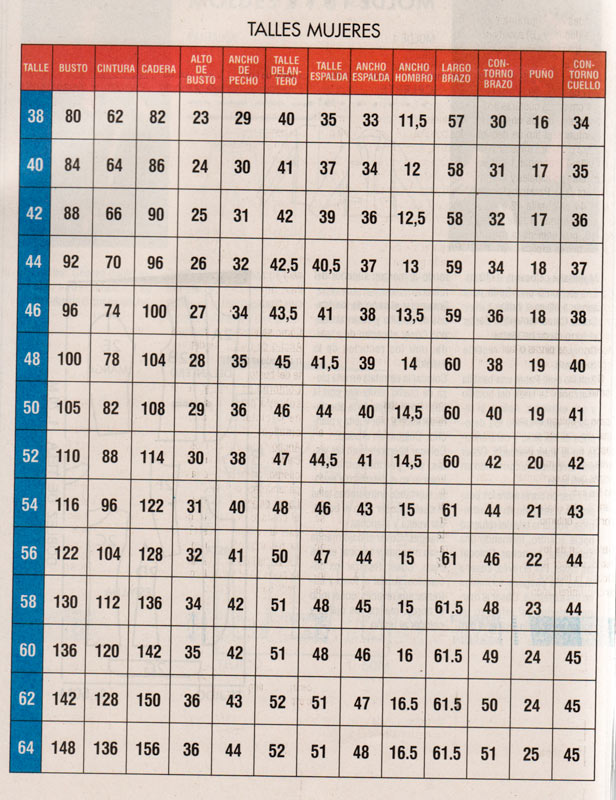
Another observation – like Manequim magazine, most of the Look patterns are only offered in one or two sizes, and the sizes are tiny!! Like, Japanese tiny. Which is strange because even in Buenos Aires the people on the streets seemed to be fairly normal European-sized… Seriously, I’m a size 48 in this magazine, which means I could only fit into one or two of the patterns in this entire issue. (By comparison, I’m a 42 in Burda, La Mia Boutique, La Maison Victor, and KnipMode, and 44 in Patrones and Manequim). Usually with Manequim, most patterns I like are either in my size or a size up or down, which makes it easy to just fudge into fitting, but grading up a bunch of sizes is just too tedious to me.
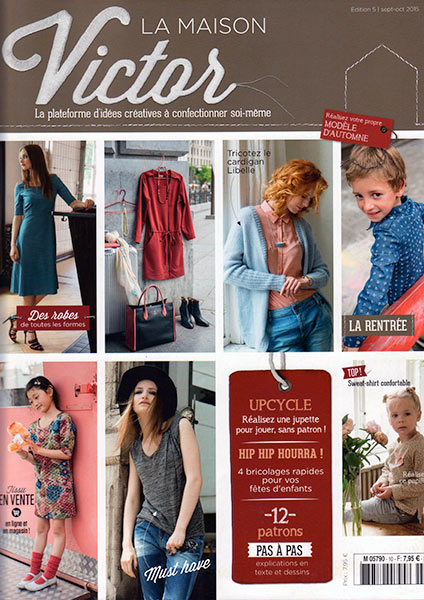
La Maison Victor magazine – Sept/Oct 2015

I’ve got a big stack of magazines from Argentina to scan and show you, but I wanted to get this one up first while it’s still current in case any one wants to order it for themselves (yeah, it’s quite good!). If you recall from last year when I bought my first issue, La Maison Victor is a Belgian sewing and knitting pattern magazine that publishes bi-monthly (up from quarterly!) in French, Dutch and German and features fully illustrated instructions for each step, too.

I was really impressed with my first issue so I was keen to try and buy another while we were in France for a wedding a few weeks ago – I was pleased to see that it was fairly easy to find. If you’ve got friends or relatives travelling back to the UK through Eurotunnel (where you drive onto the train which takes you under the English Channel), the WH Smith at the Eurotunel Calais Terminal has stocked it every time I’ve looked, and so is a good bet for directing others to buy for you.

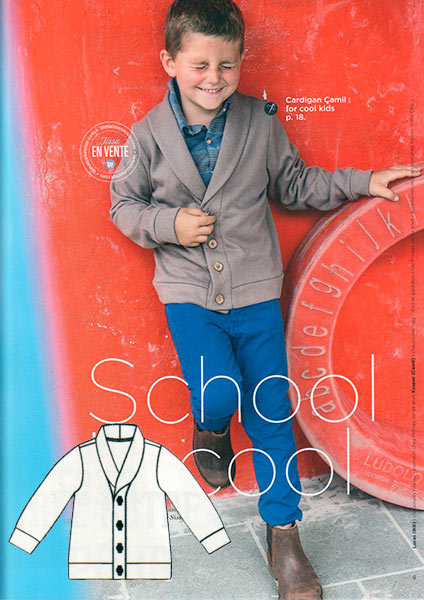
La Maison Victor offer patterns for children as well as adults, and they seem to have a good balance of patterns for both boys and girls. Here we see a boys cardigan with buttons and a nice shawl collar, made from sweatshirting instead of the usual sweater knit. This issue also includes a button-down long sleeved shirt for boys as well as a girl’s sweatshirt that could easily work for either gender.

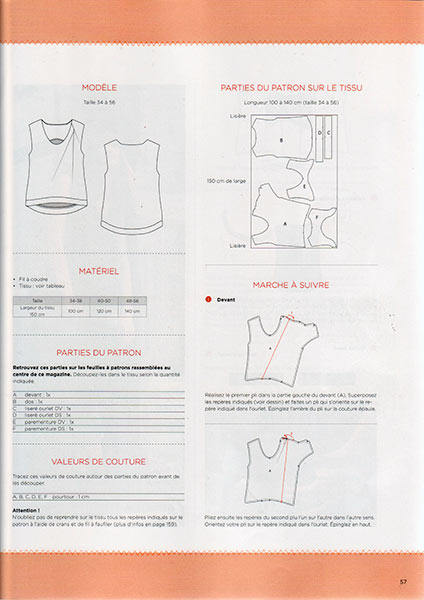
How much do I freaking love this Top “Dusty” with its asymmetric shoulder pleating! This design is SO me that I’ve already traced and cut out fabric for it… but because I don’t fancy the sleeveless bit or the facings, I’ve just traced out the Front and frankenpatterned my basic teeshirt block to it so I can give it long sleeves and a neckband. Also because someone on instagram made it and said the neckline and armholes are really low, and by making it match my teeshirt block, I’m avoiding any potentials there while still keeping the shoulder pleating.

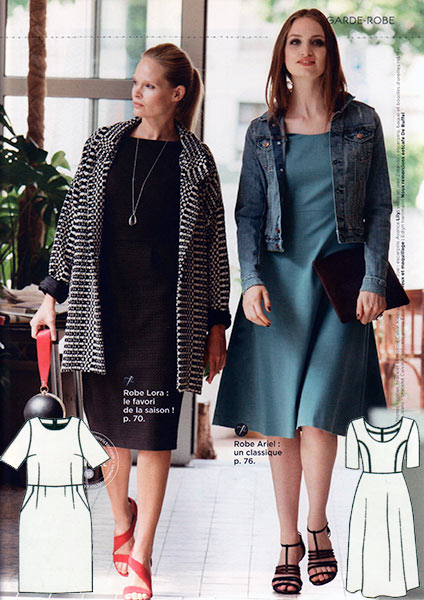
The dresses for this issue are fairly boring, if you ask me, but then again, I’m bored by 90% of the dress patterns I see available anyway, so maybe I’m not the best judge of what women actually want to sew… Classic, or boring? It’s a fine line I suppose.

Interview with Kelli from True Bias

I first heard about True Bias patterns when Kelli released her first pattern last year – the Hudson Pant were an indie sewing phenomenon, and it seemed I was about the only woman who hasn’t sewn a pair yet (and believe me, they’re still on my To Sew List for someday!). I’ve had the privilege of talking to Kelli to find out more about her sewing, aesthetics, and what’s up next, so read on to find out more about the lady behind the label… – melissa


Kelli in her Hudson Pant pattern

You kept a sewing blog for quite a few years before starting True Bias – what was the impetus for starting a pattern company?

Yes, I started my blog about 3 1/2 years ago. When I started it, I always knew that it would somehow turn into a business for me, I just wasn’t sure in what way. I was new to motherhood, having an identity crisis, and needed something to work towards. I was passionate about sewing and the community, so it made sense to focus my efforts there. I entertained the idea of a fabric store for awhile but it didn’t stick. I knew of a few independant pattern companies at the time and loved what they were doing. I had taken a couple of patternmaking and draping classes in college, but I knew that I didn’t have the skills yet to start a company. It wasn’t until after moving to NYC and starting classes at FIT that my confidence and abilities grew. My first pattern, the Hudson pant, was a huge leap of faith for me. And it was super slow at the beginning and scary. I wasn’t sure that this was all going to work, but it did and I am so glad.

What’s the single biggest lesson you learned so far?

Don’t worry about what other people are doing, just be true to yourself. This is SO hard though. The indie pattern market has become very saturated and we are all influenced by the same trends to one extent or another. This means there is going to be some overlap. There have been multiple times when I have seen a sneak peek on instagram of another designer’s pattern and I have had a total freakout because it looks similar to something I have been working on for months. It’s scary because you don’t want it to appear that you are copying, but in the end you have to be true to yourself and your own ideas. Like I said, it’s really hard though.

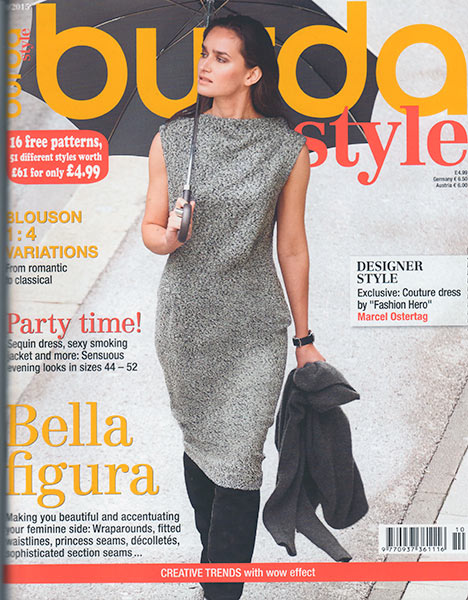
Burda magazine October 2015

Hot on the heels of last month’s (frankly, prettty poor) edition, we’ve got a new one to cleanse the palate! And even better – it’s really, really good! So let’s not delay any longer…

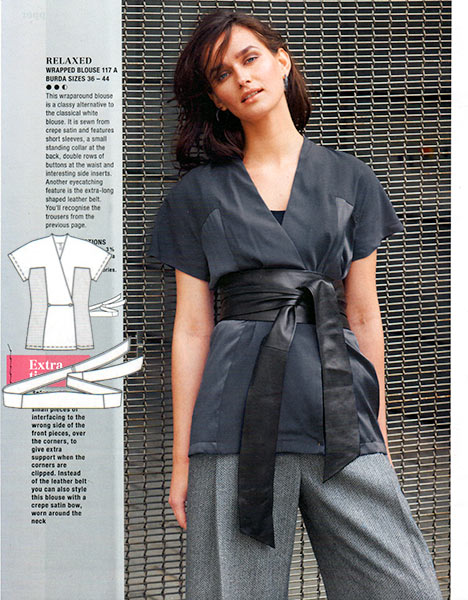
Burda have done a lot of wrap blouses over the years, but I really like the angular side panels on this one – in some of the variations they’ve used special pleated fabric on the sides, but personally I think the subtle fabric difference works better.

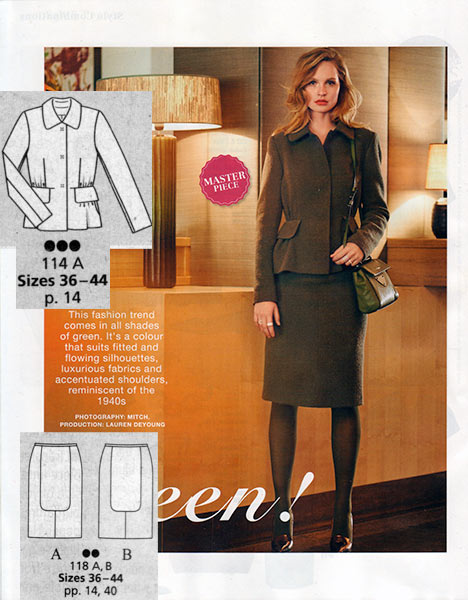
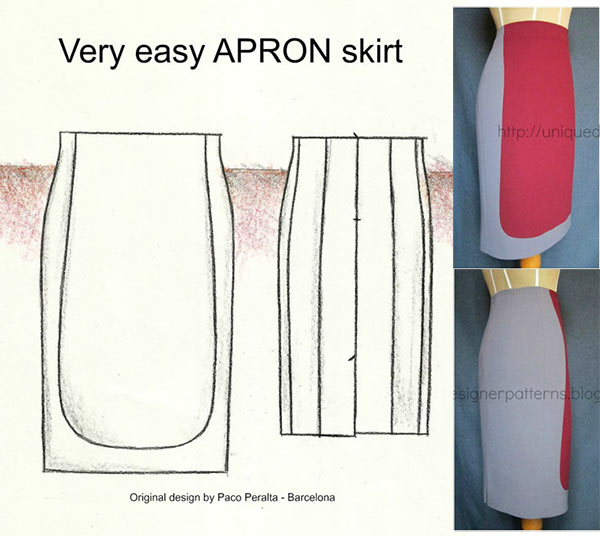
Hoo boy. Let’s start with the jacket – it’s a nice one with a cinched, gathered waist, nicely usable pockets, too. But the skirt – this one has been lighting up the internet already because of its extreme similarity to a pattern by the Spanish courtier and designer Paco, who is understandably incensed. He released this pattern several years ago and it’s been made and loved by several prominent sewing bloggers over the years. I suppose it’s possible that Burda saw this as a runway trend for FW15/16 and copied that, but I’ve not really seen this apron skirt elsewhere so it seems pretty shady…

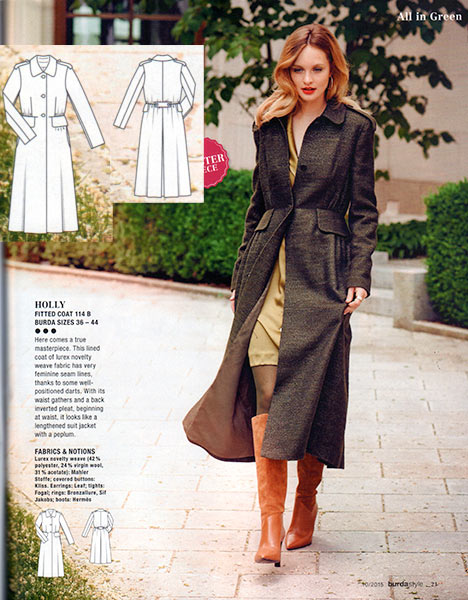
And speak of the devil, here’s the longer version of the jacket above. I think Burda have done really well here in pairing it with a dress – it’d be a perfect transitional coat made up in a tweed or lighter coating (anything heavier would be unsuitable for those waist gathers).

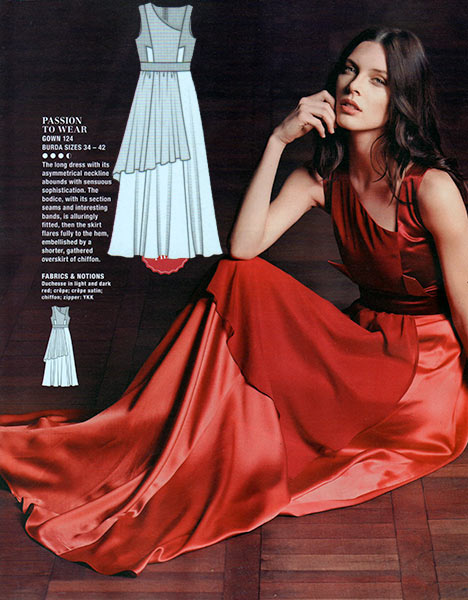
The designer pattern this month is a gown by Marcel Ostertag, who was apparently a Central St Martin’s graduate who also appeared on a German fashion tv show. I personally really like the gown, especially with the different layers in the same colours of fabric with different textures. Though I’d leave off the weird waist tabs, which just seem to stick out on the model.

Burda magazine September 2015

I actually received this issue before we left for Argentina, but in the mad rush to finish sewing my bikini and get all the other posts ready to go, I just couldn’t work up the enthusiasm to talk about this issue. And then I couldn’t really be bothered to complain yet again about the dirndlpalooza issue yet again, for another freaking year. Yes, I could almost just copy/paste the comments I get every year when I complain about the dirndls, but it’s just too exhausting to complain all the time. Let’s just say I’m sick of the dirndls taking up space in a global magazine every single year which could otherwise go to clothes the vast majority of their global audience might actually wear. If Burda sell so many dirndl issues (one of the arguments), then why haven’t they just produced a one-off 100% dirndl compilation of all their past patterns and sell that every September? I’d be thrilled!

But dirndl complaints aside, let’s take a peek inside this issue before October actually lands in my mailbox!

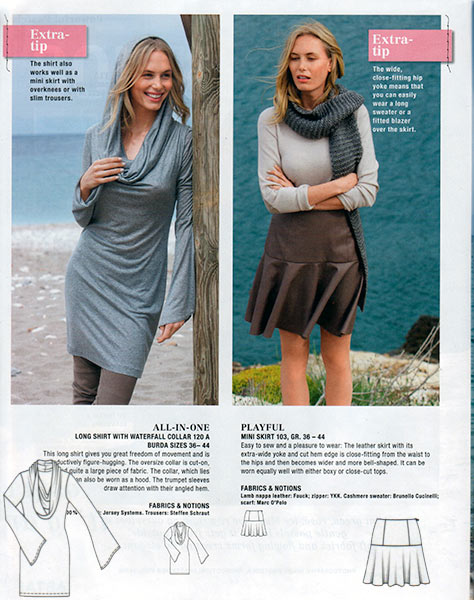
Two interesting patterns here: on the left, I really like the exaggerated cowl neck tunic (ut I’d definitely substitute in regular knit sleeves instead!) and, on the right, a great short skirt, similar to Maison Fleur’s Fit and Flare Skirt.

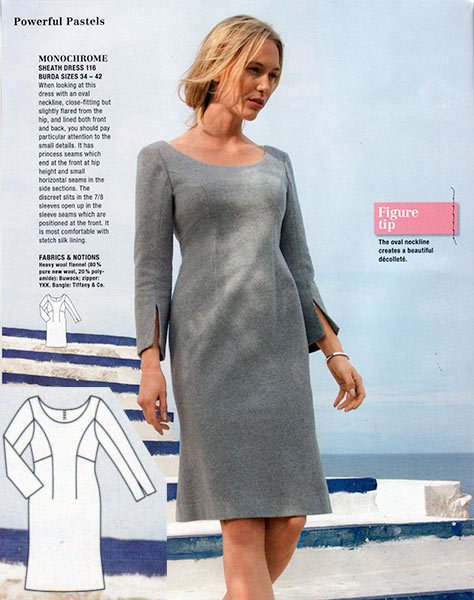
Oh. My. Gorgeous! This is such an elegant sheath dress! The subtle seamlines and shaping are just so masterfully done, and they’ve chosen a great fabric to showcase it, too. You may have missed it, but I also love how they shifted the sleeve seam to be at the front instead of the usual place at the inner arm.

I’m not a fan of the dress but the peacoat and biker trousers are great (also a longer version of that coat is available). Which reminds me that I still have some wonderful navy wool coating and silk lining ready for a jacket, since none of the 3(!) muslins I made for it last winter passed my stringent tests…

Fabric Shops and Sewing Magazines in Buenos Aires

We’ve been back from our Argentina trip for a while now, and now that the “holy crap I’m a world champion and world record holder!” glow has subsided a bit and I’ve had time to unpack all my goodies, I wanted to share with you the sewing-related finds from our time in Buenos Aires, Mar del Plata, and Iguazu Falls (all three of which I heartily recommend visiting – even if you don’t like tango! I really don’t care about tango, but the food and cocktails in Buenos Aires were out of this world!).

Fabric Shops in Buenos Aires

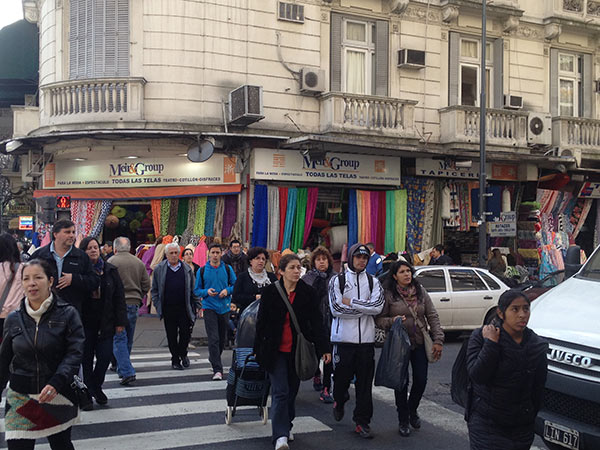
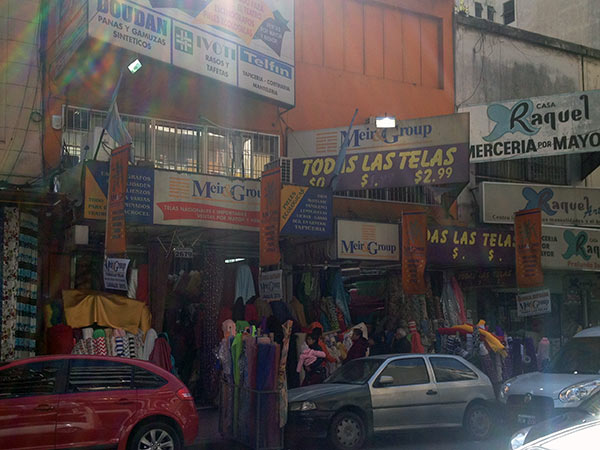
Handily, the fabric shops in Buenos Aires were concentrated in one small area near the centre, so it was really easy to just pop over and buy some fabric souvenirs, even if you just have an hour or two spare in your schedule (as often happens if you’re in a city for work or on a guided tour).

The shops were much smaller than those in NYC or Goldhawk Road, but they contained a surprisingly wide variety of fabrics, and prices were cheap (but not ridiculously so). It was a pretty laid back atmosphere – no pressure to buy, but employees were around if you wanted something cut.

I paid $260 pesos (about $25US or £18) total for the 3.5 metres of fabric I bought. Prices weren’t marked on any bolts that I saw, so I have no idea of the individual prices of my fabrics, and the fibres were only loosely labelled in sections – “algodón” (cotton), “seda” (silk), etc, so you’ve got to be good at identifying fabrics by feel!


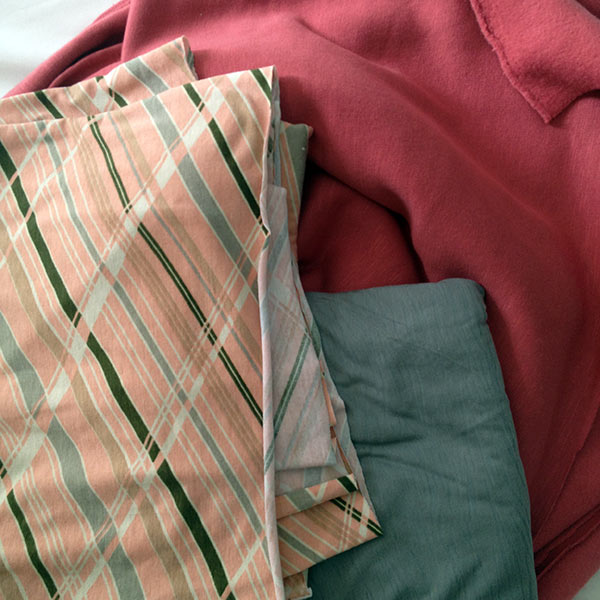
My purchases – 1m each of the printed and grey lightweight jerseys for me, and 1.5m of the coral sweatshirting to sew a Kimono Sweat for my mom

Lengths are in metric measurements (“meters” or “medio”, for half), so just know your lower Spanish numbers or hold up fingers, and most shops have calculators at the tills to just show you the price in pesos if you’re not great with your higher numbers in Spanish. Like pretty much everywhere in Argentina, the fabric shops are cash only – it’s really rare to find anywhere that takes payment by card, though cash machines are fairly easy to find in major cities.

Yoga-style PB Jam Leggings – a tutorial by Lolita Patterns

Sewing Indie Month is back again so you can look forward to a whole month of fun interviews, tutorials, pattern sales, and sewing contests (with a ton of prizes!) throughout the month of September. Just like last year, when I interviewed Hannah from Sinbad & Sailor and you got a great tutorial from Heath Lou hacking my XYT Workout Top into a maxi dress, you’ll get to read some great, different content from my usual sort, starting off with this fabulous tutorial by Amity of Lolita Patterns. You may recall that I pattern tested her Sugar Plum dress a few years ago (and I still wear it!), plus we got to meet up when she visited London a while back, too. So read on and see how she adapted my PB Jam Leggings pattern to have wider legs and a yoga-style waistband, too! – melissa

I was so lucky to get paired with Melissa for the tutorial post for SIM. While my life before baby was filled with court visits (I was an attorney) and professional wear, my new mom life incorporates a LOT of yoga pants. Casual wear is my life now! So it was unbelievably perfect to get paired with Fehr Trade patterns.

0910151745b

For my tutorial I turned her very stylish PB Jam Leggings into yoga pants! This required a different and thicker waistband, and a widening of the legs. Can I just tell you that my pants turned out amazing?!? I was going to just go black pants with the gray houndstooth contrast but at the last second remembered I had some orange stretch piping I had bought for a project but had since bought a different shade of orange. This piping made the pants. Literally. The piping looks so amazing I have worn these pants 4 times already and I’ve only had them made for a week!

0910151745

I’m here to share pictures and a tutorial on how I transformed the PB Jam leggings into yoga pants. To do this, I used a pair of yoga pants I loved to see how wide I wanted each part of the leg.

Wide leg alteration

0907151807a
Excuse the dog hair—such is the life with three dogs 🙂

The bottom of the leg was 10 inches.

0907151807

In between the knee and the hem was 8 7/8, and the knee was 8 5/8. I took these measurements and wrote them on the diagram so I could compare and make sure I didn’t forget them. I also measured the inseam and how far down the knee began from the waist. These are all helpful measurements when altering the pattern to match the yoga pants we are copying from.

0907151808

Now keep in mind, these are all just one side of the leg (so the entire circumference would be twice the measurement) and also do not include seam allowances. But this measurement is perfect because the pattern pieces work this way.

Manequim magazine August 2015

There’s a bumper crop of Plus patterns this month – my favourites are this lace-overlay dress, and the top with the lace upper back (paired with a nice but basicpencil skirt).

The patterns aren’t anythng special here, but I like that they’ve made what’s essentially a basic jeanskirt in a luxe fabric. I’m not a fan of the archetypal Chanel jacket, so this would be a way to use up a luxe boucle in a more modern way than a stuffy skirt suit IMHO.

Omg I love this maxi dress with the asymmetric cutouts! Though a bare midriff there is pretty much my worst nightmare, body phobia-wise, I think I still love this enough to wear it anyway! Anyone want to invite me to the Baftas next Spring? I think I’ve found my gown…

A tour of my new sewing room!

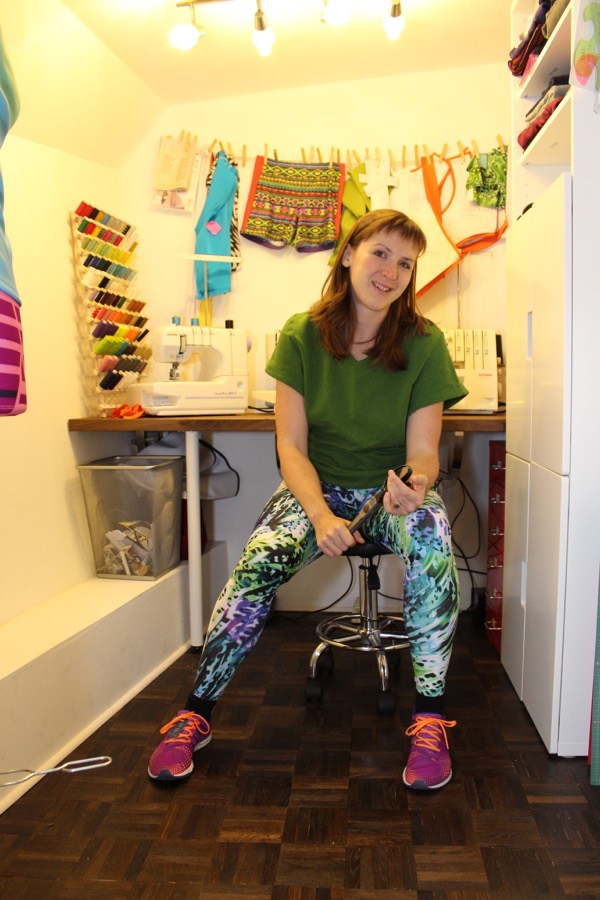
I know I’ve been talking about my new sewing room for ages (and believe me, it feels like even longer to me!) but I’m finally moved in and so chuffed to finally share it with you!

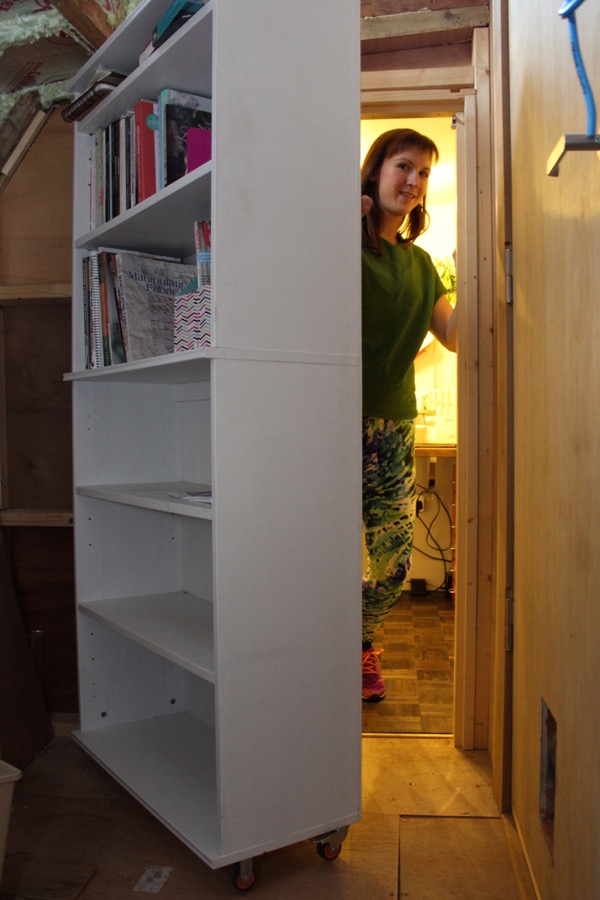
My new sewing room is very small, but what it lacks in size, it more than makes up for in cool points – who else has a sewing room on a boat, concealed behind a hidden bookcase door, eh??

This is the bit everyone loves – a modified Hemnes bookcase from Ikea, with reinforcements, casters (wheels), and a hidden pull latch to keep it closed. Our joiner is a genius and we’re so lucky to have found him!! The greatest thing about this is that my sewing room is at the very end of the corridor, and the way the various deck heights work means there’s a porthole just above the bookcase. So it really does look convincing, like there’s no boat beyond it!!

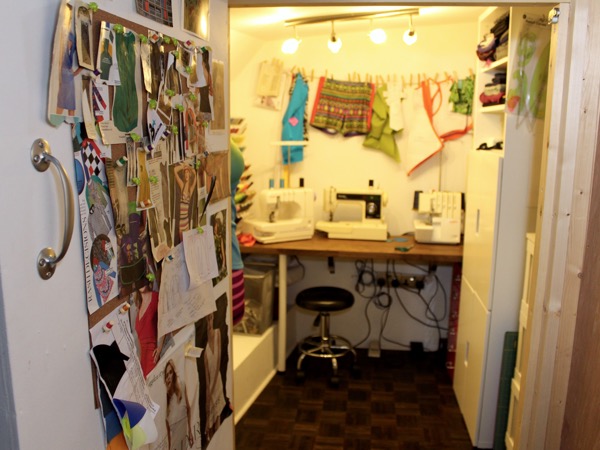
Once inside, I’ve put a corkboard on the inside of the door as a place to pin all my magazine clippings, sketches of designs past and present, and general mood-boardy stuff. You can also see how small the room is here – it’s only a little under 2m (6 feet) long by 2m wide at its widest point.

Also take note of the smoked oak parquet floor that I painstakingly cut, laid, sanded, and hand oiled myself. Loooouuuurve my floor! It was expensive, both in cost and effort, but so worth it.

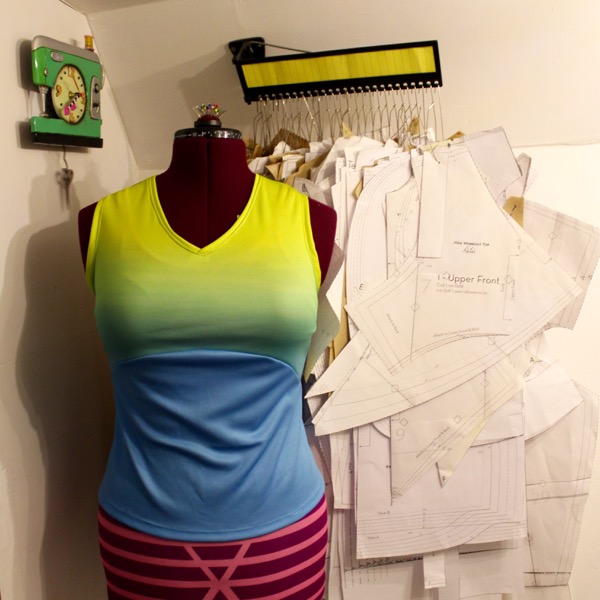
When you enter the room, immediately on your left you’ll find Susan, my dressform (seen here wearing my Laurie King fabric collaboration VNA Top pattern), and my pattern rack, which I’ve had for quite a few years but came from the garment industry supply shop, Morplan. As you can see from the number of patterns on it, I find it unbelievably useful! Also note the cute sewing machine clock my mom sent over to me!