Blog

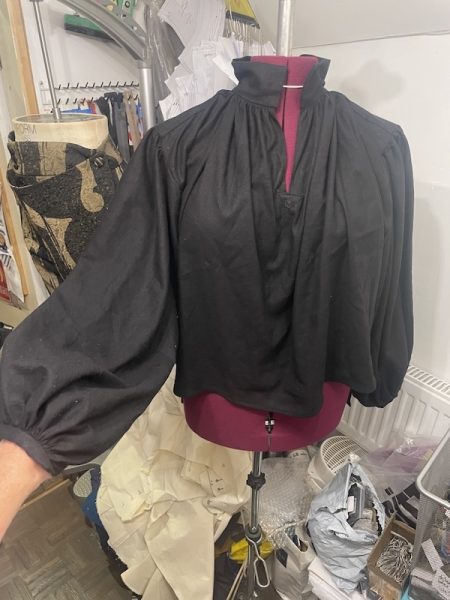
Sewing an 18th c shirt

This post is part three of my “making of” series of posts for my 18th c outfit for a friend’s Halloween wedding. If you missed the others, you can read part one, about sewing the 18th c frock coat, and part two, about sewing the 18th c breeches before reading this.

Unlike the other two garments, I actually didn’t use a pattern for this shirt, instead using the (slightly) modernised drafting and sewing instructions here which took the original historical documents as the base. (Though it’s only now as I’m writing up this post that I see Black Snail Patterns have a very similar shirt pattern on their full site which I did NOT see on their Etsy shop?! Honestly, using their pattern would’ve saved me so much stress!! If you’re reading this planning your own outfit, definitely go for the pattern rather than what I did here!)

These instructions give dimensions for all the various rectangles that make up the shirt, only a few of which actually depend on your own body measurements. I used the various rectangles to work out in Adobe Illustrator exactly how much fabric I’d need for a few common widths. So when I went to Fabrics Galore and bought a viscose/linen/elastase mix that was 135cm wide, I knew confidently I could buy 2m and have very little leftover.
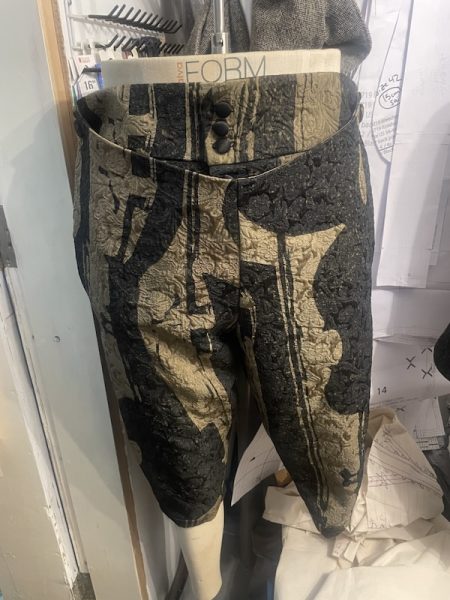
Sewing the 18th c breeches

This post is a continuation of the “making of” the three garments in my 18th century costume for a friend’s Halloween wedding, so be sure to read the post on sewing the 18th c frock coat to get all the context!

As I mentioned with the frock coat, the options for men’s patterns of this era are just a sea of awful pirate costumes, so I was thankful to find Black Snail Patterns’ “Late 18th c men’s breeches” pattern as it’s got the right historical details and is drafted to be an actual garment rather than just a “silly halloween costume” (my experiences with Big Four Halloween costume patterns have been they’re extremely poor quality). Since it’s a men’s pattern, I chose size 42 for me based on my hip measurement (I’m 40 in the waist but these breeches have eyelets to cinch in anyway).

There were, however, some interesting drafting choices in this pattern, which, while historically accurate, were not the look I was going for!

Sewing an 18th c frock coat

Thanks to your input, I’m posting about this complicated, several-months-long, three garment 18th century outfit a little differently than usual. In the past, I’d take notes as I sewed, but then wait until everything was completed before posting the final outfit photoshoot, then sharing all the “making of” details afterwards. But as this is all for a friend’s wedding in Ireland on Halloween, I wouldn’t be able to even start sharing everything until mid-November, and you told me you didn’t want to wait that long to hear all about the sewing! So I’m posting the details of the muslins and sewing of each garment now, and I’ll share the final photoshoot of the full outfit when we’re back from the wedding.

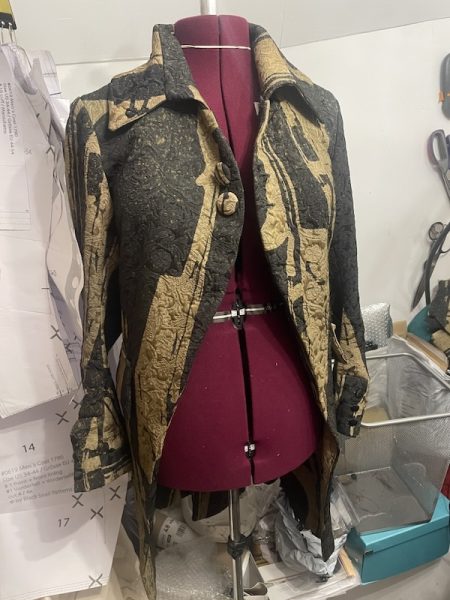
The impetus for the idea to make a full late 18th c men’s costume for myself came partly because our friend’s are getting married on Halloween and encouraging fancy dress (costumes), but also because I won 7 huge abstract violin brocade panels from the IWTV props auction in Feb/March. And this seemed like the most perfect use for the fabric!

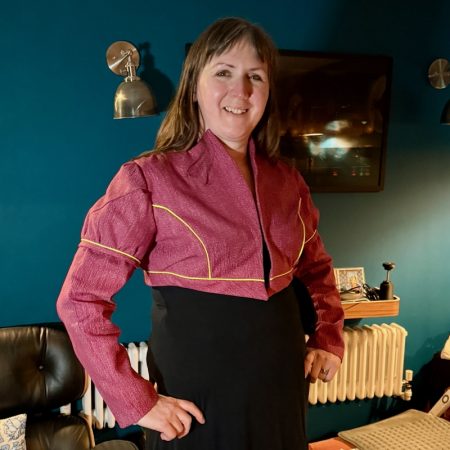
A modern Hamilton Spencer jacket

Settle in, because this is an epic post! Which partially explains why it’s taken me so long to post about this jacket, considering I finished sewing it in mid-December (also partially explained by the grim winter weather making it really difficult to take photos. I eventually gave up and just took some indoor shots instead!)

Our story starts back in 2020 when the Costume Industry Coalition launched a fundraiser for their members who were out of work with the theatres closed in lockdown- the Hamilton Spencer Jacket sewing pattern. I’d link to the pattern but their website domain is 404ing and their Etsy Shop is “taking a break” so I think they might’ve disbanded…? I think I paid around £20 for the pattern, which I viewed more as a donation than anything.